
"Arabian coffee origin"
2000 article(s) found

The way mocha coffee is made the origin of mocha coffee
Mocha coffee (also known as mocha or mocha, also translated as Arabian quality coffee, English Caf Mocha, meaning chocolate coffee) is a variant of Italian latte (Caf Latt). Like the classic Italian latte, it usually consists of 1/3 espresso, mocha (Caff Espresso) and 2/3 foam.

Yemeni mocha Coffee Flavor description and Origin introduction is queen good in the Mocha Coffee Industry in Yemen
Professional coffee knowledge exchange more coffee bean information please pay attention to the coffee workshop (Wechat official account cafe_style) Yemen is located in the southwestern tip of the Arabian Peninsula, exports coffee every year, coffee planting area is also mocha coffee producing area. Mocha is located in a port city on the Red Sea coast of Yemen, hence the name Mocha Coffee. Coffee is one of Yemen's trade exports.

Uganda native species-washed Bugisu AA Coffee detailed description of flavor and taste
Professional baristas exchange please follow the coffee workshop (Wechat official account cafe_style) Uganda boutique Bugisu Uganda AA.... The Great Rift Valley of East Africa (Rift Valley) connects Lake Weidoria and Mount Elgon is a famous and important boutique coffee belt in East Africa. The east side of Mount Elgon is one of the important coffee producing areas in Kenya, while the west side of Mount Elgon, that is, the west side of Uganda.
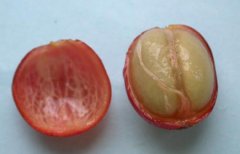
Arab magic "black water" black coffee
In the eighth century AD, a magical black water known as Qahwa was circulating in Arabia, which was said to restore strength, energy and no drowsiness. Avicina Ibn Sina (980-1037), a 10th-century Muslim philosopher and famous Iranian doctor, recorded a plant from Yemen called Bunchum, which is said to be something similar to coffee. as early as

Unveil the mystery of coffee allusions
Who first thought of roasting the seeds of coffee trees? And why?

Coffee knowledge Fine Coffee basic knowledge
Coffee (scientific name: Coffea arabica), also known as coffee tree, Arabica coffee, etc., is the national flower of Yemen. Before the 6th century in the park, Yemen was called Arab, so the coffee trees transported from them to other places were also called Arabian coffee trees. The name coffee comes from the Arabic Qahwah, which means plant drink. Later, the coffee spread all over the world, and it was picked.

Basic knowledge of boutique coffee
Coffee (scientific name: Coffea arabica), also known as coffee tree, Arabica coffee, etc., is the national flower of Yemen. Before the 6th century in the park, Yemen was called Arab, so the coffee trees transported from them to other places were also called Arabian coffee trees. The name coffee comes from the Arabic Qahwah, which means plant drink. Later, the coffee spread all over the world, and it was picked.

Basic knowledge of boutique coffee
Coffee (scientific name: Coffea arabica), also known as coffee tree, Arabica coffee, etc., is the national flower of Yemen. Before the 6th century in the park, Yemen was called Arab, so the coffee trees transported from them to other places were also called Arabian coffee trees. The name coffee comes from the Arabic Qahwah, which means plant drink. Later, the coffee spread all over the world, and it was picked.

Coffee knowledge is an evergreen shrub of Rubiaceae.
Coffee (scientific name: Coffea arabica), also known as coffee tree, Arabica coffee, etc., is the national flower of Yemen. Before the 6th century in the park, Yemen was called Arab, so the coffee trees transported from them to other places were also called Arabian coffee trees. The name coffee comes from the Arabic Qahwah, which means plant drink. Later, the coffee spread all over the world, and it was picked.

Global Coffee producing area in Yemen
Before the 6th century AD, Yemen was called Arabia, so coffee trees shipped from Yemen to other places were also called Arabian coffee trees. But the origin of these trees is Ethiopia. Yemen is the first country in the world to produce coffee on a large scale as a crop. Today, coffee farmers in Yemen still use the same method to produce coffee as they did 500 years ago.

Global Coffee producer-Yemeni Coffee Market
Before the 6th century AD, Yemen was called Arabia, so coffee trees shipped from Yemen to other places were also called Arabian coffee trees. But the origin of these trees is Ethiopia. Yemen is the first country in the world to produce coffee on a large scale as a crop. Today, coffee farmers in Yemen still use the same method to produce coffee as they did 500 years ago.
Coffee knowledge
Coffee (scientific name: Coffea arabica), also known as coffee tree, Arabica coffee, etc., is the national flower of Yemen. Before the 6th century in the park, Yemen was called Arab, so the coffee trees transported from them to other places were also called Arabian coffee trees. The name coffee comes from the Arabic word "Qahwah", which means plant drink. Later, coffee spread all over the world.

How to drink Yemeni mocha coffee beans? What is the taste of Yemeni mocha beans?
Professional coffee knowledge exchange more coffee bean information Please follow the coffee workshop (Wechat official account cafe_style) Today, there are many different opinions about the source of drinking coffee. Arabs believe that in the 15th century in Ethiopia or Yemen, a shepherd found that his sheep would jump lively after eating a plant many times, so people found that coffee could refresh.

Coffee botany is mainly divided into the following five varieties
There are more than 60 types of coffee classified, but there are roughly two varieties of coffee grown commercially on a large scale, one is Arabica, accounting for about 70 percent of the world's coffee planting area, and the other is Robasta, accounting for about 30 percent of the world's coffee planting area. According to our national standards, the classification of coffee is mainly divided into the following five varieties. 1. Small seed coffee, that is, Arabian species. Original production

Introduction to Yemeni Coffee Bean Flavor characteristics, Variety characteristics, Grinding scale treatment method
Yemeni coffee bean flavor characteristics characteristics of coffee varieties grinding scale method Manor introduction the ancient Yemeni city of Aden is located at the southwest end of the Arabian Peninsula, guarding the gateway from the Red Sea to the Indian Ocean, known as the key point of maritime traffic in Europe, Asia and Africa. Aden, 363 kilometers south of the capital Sana'a, is located at the southern tip of the Arabian Peninsula, overlooking the Indian Ocean, and is the heaviest in southern Yemen.

Introduction of the Origin of the most traditional Arabica Coffee
Arabica (Coffea arabica) is the most traditional Arabica coffee variety. Originally from East Africa, coffee was monopolized by the Arab world for a long time before the 15th century, so it was called Arabian coffee by Europeans. It turned out that all the commercial coffee in the world were small grains, but it was only at the end of the 19th century that growers began to look for other resistance to a large-scale disease.

A variety of coffee producing areas around the world introduce coffee, soybeans and mother beans.
The origin of coffee-Brazil, the largest coffee producer, accounts for 1/3 of the world's coffee consumption and occupies a place in the global coffee market, although Brazil faces several times more natural disasters than other regions. but it has enough acreage to make up for it. There are many kinds of coffee here, but its industrial policy is abundant and cheap.
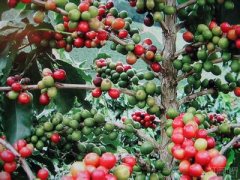
Yemeni coffee beans from 12 famous high-quality coffee producing areas
Before the 6th century AD, Yemen was called Arabia, so coffee trees shipped from Yemen to other places were also called Arabian coffee trees. But the origin of these trees is Ethiopia. Yemen is the first country in the world to produce coffee on a large scale as a crop. Today, coffee farmers in Yemen still use the same method to produce coffee as they did 500 years ago.

Mocha coffee beans are made in Yemen.
Yemen was called Arabian until the 6th century AD, so coffee trees shipped from Yemen to other places were also called Arabian coffee trees. But the origin of these trees is Ethiopia, and the Dutch spread these coffee trees around the world. Dutch businessmen sailing eastward around the Cape of good Hope (The Cape Of Good Hope) began their long distance

Does the wild Yemeni mocha taste good or not? Yemeni mocha coffee tastes good.
Professional coffee knowledge exchange more coffee bean information please follow the coffee workshop (Wechat official account cafe_style) [Preface] Yemen is located in the southwestern tip of the Arabian Peninsula, adjacent to Saudi Arabia and Oman, bordering the Red Sea, the Gulf of Aden and the Arabian Sea. Yemeni mocha coffee is the oldest coffee in the world, and Yemen is one of the first countries in the world to grow coffee. It is said that as early as 1561 AD